
Why the Strait of Hormuz Standstill Will Cost You More at the Till
Discover why the shipping standstill in the Strait of Hormuz could lead to higher prices for tech, gadgets, and everyday goods across the UK high street.











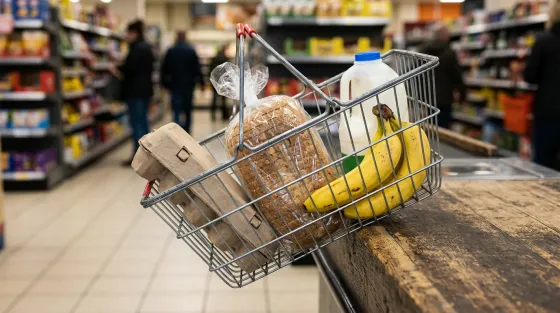
Have you noticed your weekly shop getting a bit more painful? Brace yourself, because the situation in the Middle East is about to make things a whole lot tighter for the UK economy. The Strait of Hormuz is a busy waterway off the coast of Iran. Right now, it has come to a near standstill. If this conflict drags on much longer, we are looking at a serious hike in prices for consumer goods across the globe.
Let us talk about why a stretch of water thousands of miles away matters to your bank balance.
The Ultimate Shipping Bottleneck
The Strait of Hormuz is essentially the M25 of global shipping, but with much higher stakes and significantly less roadside coffee. It is a narrow passage between the Persian Gulf and the Gulf of Oman. A massive percentage of the world's oil flows through this exact spot. When ships cannot safely get through, the supply drops. When supply drops, the price of crude oil shoots up instantly.
You might be thinking that you drive an electric car and do not care about petrol prices. Unfortunately, global logistics still run entirely on fossil fuels. Every massive cargo ship carrying the latest tech gadgets, every lorry delivering goods to your local high street, and every factory churning out components relies on that energy. When shipping companies are forced to reroute their vessels to avoid conflict zones, journeys take weeks longer. Those extra fuel and insurance costs are passed directly to you at the checkout.
Tech Goods in the Firing Line
As a tech enthusiast, you really need to keep an eye on hardware prices right now. The electronics supply chain is notoriously fragile. We all saw exactly how this played out during the pandemic. A single blocked canal or a delayed shipping route can cause absolute havoc for months on end.
If cargo ships are taking the long way around the Cape of Good Hope to avoid the Middle East entirely, that means fewer shipments arriving at UK ports. Fewer shipments mean less stock on the shelves. Less stock means retailers do not need to offer discounts to shift products. You can wave goodbye to those cheeky tech bargains. From the newest smartphones to basic smart home accessories, anything manufactured overseas is going to cost more to import.
The UK Economy Squeeze
We are already navigating a incredibly tricky economic situation here in the UK. Inflation might be cooling down slightly on paper, but geopolitical shocks like this are exactly what the Bank of England dreads. The cost of raw materials and energy dictates the baseline price for almost everything we buy.
Retailers operate on incredibly thin margins at the best of times. They simply cannot afford to absorb these massive jumps in shipping and energy costs. Instead, they will quietly add a few quid onto the price tag of everyday items. It is the classic trickle down effect, just without any of the actual wealth reaching your pocket.
What Can You Do About It?
There is no magic wand to fix global supply chains. However, if you have been holding off on buying a necessary piece of tech, a new laptop for work, or a major household appliance, it might be extremely wise to make that purchase sooner rather than later. Prices on current stock are already locked in, but future shipments will undoubtedly carry a hefty premium.
Keep a close eye on the news over the coming weeks. If the Strait of Hormuz remains locked down, the high street is going to get very expensive, very quickly. It is a stark reminder of how interconnected our modern world truly is, and how quickly global politics can impact your personal wallet.
Read the original article at source.