
Voices from the Border: Why Ordinary Iranians Just Want Normalcy
It turns out that ordinary folks do not actually enjoy being collateral damage in a geopolitical chess match. Shocking, I know. A recent dispatch from the BBC...




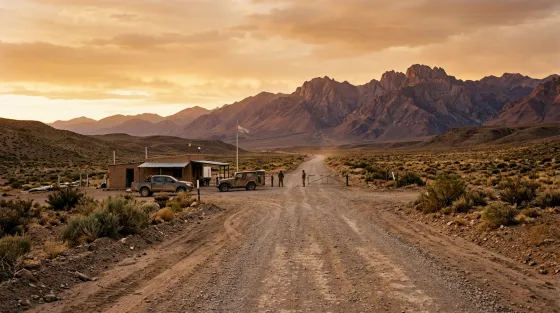
It turns out that ordinary folks do not actually enjoy being collateral damage in a geopolitical chess match. Shocking, I know. A recent dispatch from the BBC has highlighted a sentiment that often gets buried under the rubble of international posturing. Dan Johnson recently spent time at a border crossing in north-west Iran, catching up with Iranians heading into Turkey. Their primary message to the world was as simple as it was devastating: target the regime, but leave the civilians completely out of it.
The Disconnect Between State and Street
If you only consume official state broadcasts, you might genuinely believe the entire population is marching in lockstep, eager for a massive, apocalyptic showdown. The reality at the border tells a completely different, far more human story. People are absolutely exhausted. They are tired of the constant threat of war hanging over their heads like a particularly grim raincloud.
When Johnson spoke to those making the crossing, the frustration was palpable. These are just normal people trying to go about their daily lives. They want decent jobs, a stable economy, and perhaps the ability to browse the internet without needing a daisy chain of questionable VPNs just to see an unfiltered news report. Instead, they find themselves stuck footing the bill for their government's aggressive foreign policy.
A Global Ripple Effect
From a UK perspective, it is incredibly easy to view these conflicts as distant television events. We might grumble when the knock-on effects hit our petrol pumps or when global supply chain jitters make our weekly supermarket shop a bit more eye-watering. We worry about inflation and interest rates. However, the economic reality for citizens in Iran is infinitely more severe. Hyperinflation and international sanctions have absolutely battered their wallets, making basic survival a daily hurdle.
When these travellers tell the BBC to "kill the regime but not people," they are asking the international community for a level of precision that warfare rarely provides. They desperately want an end to the oppressive systems that govern them, but they certainly do not want their homes, families, and cities turned to ash in the process. It is a highly nuanced plea in a world that usually prefers blunt force trauma.
The Bravery of Speaking Out
We should also take a moment to appreciate the sheer nerve it takes to speak to a Western journalist about regime change, even when crossing a border. In a country where free speech is treated as a serious criminal offence rather than a fundamental human right, uttering those words to a camera crew is a massive risk. It shows exactly how desperate the desire for change has truly become.
As tech enthusiasts and everyday consumers, we frequently talk about the democratisation of information. We review the latest gadgets that keep us connected to our friends and family. Yet, for the people Johnson interviewed, basic connectivity and the unvarnished truth are heavily guarded luxuries. They rely on encrypted messaging apps, proxy servers, and sheer bravery to get their stories out into the wider world.
The Final Verdict
It is incredibly easy for political pundits and armchair generals to draw lines on a map and talk endlessly about acceptable losses. The voices at the Turkey-Iran border serve as a vital, sobering reality check. The citizens of Iran are not their government. They are simply people hoping to wake up tomorrow without a manufactured crisis on their doorstep.
The next time you see a fiery headline about international conflict, remember the folks at the border crossing. They are the ones paying the real, tangible price for decisions made in rooms they will never be allowed to enter.
Read the original article at source.