
Trump's DOJ Loosens the Gun Rulebook as Senate Slides a Career ATF Agent Into the Top Job
Trump's DOJ rolls back 34 firearm rules under EO 14206 as the Senate confirms career ATF agent Robert Cekada. What it means and why it matters.











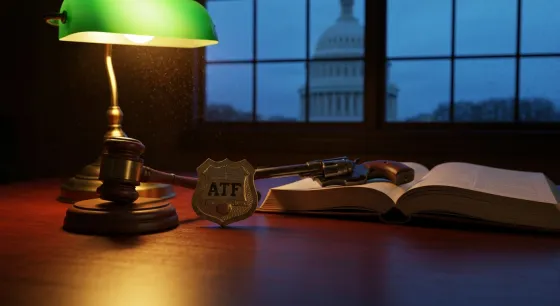
Just when you thought America's gun debate couldn't get any louder, the Justice Department has cranked the volume up another notch. On 29 April 2026, Acting Attorney General Todd Blanche unveiled a sweeping package of regulatory changes that effectively rewinds a chunk of the firearm rulebook built up under the previous administration. And, almost as if choreographed, the Senate confirmed a new boss at the Bureau of Alcohol, Tobacco, Firearms and Explosives the very same week.
If you're sitting in the UK wondering why this matters to you, stick with me. American gun policy ripples well beyond its borders, shaping everything from transatlantic security cooperation to the tone of online discourse you scroll past every morning.
What the DOJ Actually Announced
The headline number is 34 notices of final and proposed rulemaking, according to the official DOJ and ATF press release. The Independent's original write-up rounded that down to 'more than 30', which is fair enough, but the precise figure tells you this isn't a tidy little tweak. It's a full-on regulatory spring clean.
The changes are framed as bringing federal firearm rules into line with recent Supreme Court precedent, and they're being rolled out under Executive Order 14206, charmingly titled 'Protecting Second Amendment Rights'. Among the headline rollbacks:
- The 2024 Biden-era 'engaged in the business' rule, which expanded background checks at gun shows, is being repealed.
- The pistol brace rule, long a bugbear of Second Amendment campaigners, is being unwound.
- The ATF's 'zero tolerance' inspection policy for federally licensed gun dealers is getting a significant rewrite.
On top of all that, the DOJ quietly dropped its appeal on 24 April defending the 'engaged in the business' rule, letting a lower-court injunction stand. So even before the formal announcement, the writing was already on the wall.
Enter Robert Cekada, the New ATF Chief
While the regulatory bonfire was being lit, the Senate confirmed Robert Cekada to lead the ATF by a vote of 59 to 39. Every present Republican backed him, joined by seven Democrats who apparently decided this was a hill they didn't fancy dying on.
Cekada isn't a political parachute job. He joined the ATF back in 2005 and has spent the past year as deputy director, so he knows where the photocopier is. He also has the rare distinction of being only the third person ever confirmed to run the agency since the role became Senate-confirmable in 2006. That tells you two things: it's a politically radioactive job, and getting bipartisan support for anyone is genuinely difficult.
Whether a career insider can steer the agency through a period of aggressive deregulation is the open question. Insiders tend to know how the machinery works, but they also tend to inherit the loyalties and rivalries of the institution.
The Awkward Timing Problem
Here's where things get uncomfortable. Just four days before the DOJ's announcement, on 25 April 2026, an armed suspect attempted to storm the White House Correspondents' Association dinner. The man, identified as Cole Allen, 31, from Torrance, California, was carrying a shotgun, a handgun and multiple knives. A Secret Service officer was shot in the chest and survived only because of a ballistic vest before returning fire. Allen was charged with attempting to assassinate the president.
Announcing a sweeping rollback of gun regulations less than a week after a near-miss assassination attempt is, to put it mildly, a bold scheduling choice. Critics have not let that slide.
What the Critics Are Saying
John Feinblatt, president of Everytown for Gun Safety, condemned the rollback in unusually blunt terms, arguing that loosening rules at this moment sends precisely the wrong signal. Gun-control advocates more broadly worry that gutting the 'engaged in the business' rule reopens the so-called gun show loophole, allowing more sales without background checks.
Supporters, predictably, see things very differently. Second Amendment groups argue the regulations being scrapped were legally shaky, bureaucratically heavy-handed, and punished law-abiding owners and small dealers far more than they ever stopped criminals. The DOJ leans into this framing, presenting the package as 'reducing burdens' on lawful gun owners and businesses.
Both sides can't be entirely right, but both can certainly be partly right, and that's the slippery thing about American gun policy. The evidence base is patchy, the politics are tribal, and the courts keep moving the goalposts.
Why British Readers Should Care
It's tempting to file this under 'America being America' and move on. Don't. There are a few reasons it matters here.
First, US firearm policy shapes the global flow of weapons, including those that occasionally turn up in European criminal investigations. Looser domestic rules can have downstream effects on tracing and enforcement.
Second, the cultural argument over guns is increasingly exported through social media. The talking points being road-tested in Washington this week will be in your YouTube recommendations and X feed within days. Knowing where they came from helps you spot them.
Third, and more practically, the new ATF leadership and rule changes will affect anyone in the UK who deals with American firearms importers, collectors, or manufacturers, a small but real community.
The Bigger Picture
What we're watching is a coordinated push: a sympathetic White House, a confirmed agency head, an Acting Attorney General willing to move quickly, and a Supreme Court that has been steadily expanding Second Amendment protections. Add in the dropped appeal on the gun show rule, and the strategy looks less like a series of one-off announcements and more like a deliberate dismantling of the previous administration's firearm policy framework.
Whether that makes Americans safer or less safe is a question the data will answer slowly and messily, probably over years rather than months. Politically, however, the message is unmistakable. The Trump administration is delivering, loudly and visibly, on a promise to its base.
The Verdict
Love it or loathe it, this is a significant moment in US gun policy. Thirty-four rulemaking notices in one go is not a nudge, it's a shove. Pair that with a new ATF director and a White House openly hostile to the previous regulatory regime, and the trajectory for the next few years looks pretty clear: fewer federal restrictions, more deference to state law, and a heavier reliance on the courts to settle the inevitable disputes.
For a UK audience used to some of the strictest gun laws in the world, the whole episode is a useful reminder of just how differently the two countries approach the same basic question of who should be allowed to own a firearm, and on what terms.
Read the original article at source.