
Standing Firm: Why the UK is Refusing to Blink on Russian Oil Sanctions
The US is loosening sanctions on Russian oil, but the UK refuses to follow suit. Discover why Britain is taking a stand and what it means for the economy.









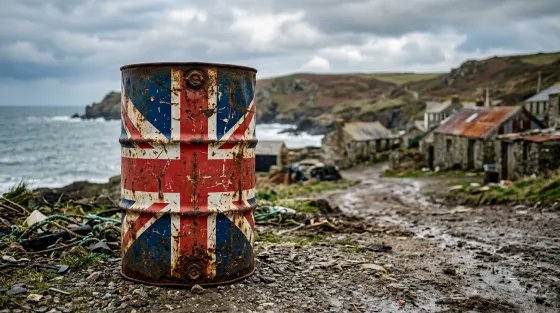
Let us talk about oil, international politics, and the fine art of standing your ground. Just when you thought the global coalition against Russian aggression was as solid as a rock, a noticeable crack has appeared across the pond. The United States has decided to quietly loosen the leash on some Russian oil sanctions. Meanwhile, UK ministers have planted their feet firmly in the mud, declaring that Britain will not be following suit. In fact, they are actively urging our allies to keep the pressure dialled up to the absolute maximum.
It is a classic tale of transatlantic divergence. On one side, you have the US, perhaps keeping one eye on domestic petrol prices and the upcoming political circus. On the other side, the UK is taking the moral high ground, even while our own energy bills continue to make us wince every time the post arrives.
Let us break down exactly what is happening, why the UK is refusing to blink, and what this means for the British economy.
The Sanctions Squeeze
When tanks first rolled across the border, the Western world reacted with unprecedented financial and economic sanctions. The goal was incredibly simple. Starve the war machine of its primary funding source, which happens to be fossil fuels. We slapped embargoes on oil, introduced price caps, and made it exceptionally difficult for Russian crude to find its way into Western markets.
For a while, everyone was singing from the same hymn sheet. But sanctions are a double-edged sword. When you restrict global supply, prices go up. And when prices go up, domestic voters get rather grumpy. The US easing of these sanctions on specific Russian oil transactions feels like a pragmatic, if slightly cynical, move to keep global oil flows steady and pump prices down.
Britain Stands Firm
Our ministers, however, are having absolutely none of it. The official line is crystal clear. The UK will not be watering down its sanctions regime. It is a bold move and, honestly, a refreshing bit of backbone. We are looking at our American cousins, raising a collective eyebrow, and politely declining to join their retreat.
But why is the UK playing hardball? For starters, backing down now sends a terrible message. It tells Moscow that Western resolve has an expiration date, and that date is dictated by the price of a barrel of Brent Crude. By urging allies to maintain the pressure, the UK is trying to prevent a domino effect. If the US softens, and then Europe follows, the entire sanctions strategy falls apart like a wet paper bag.
The Mechanics of the Price Cap
To truly understand the magnitude of this transatlantic split, we need to look under the bonnet of the sanctions themselves. We are not just talking about a simple ban on buying oil. The mechanism at play is the G7 price cap, a highly complex piece of economic statecraft. The rules stipulate that Western companies can only provide maritime services, like shipping and insurance, for Russian oil if it is sold below a strict price threshold.
Given that London is the undisputed global hub for maritime insurance, the UK holds a massive amount of leverage here. When the US talks about loosening these rules, they are tinkering with a very delicate global ecosystem. They are looking at the loopholes, the shadow fleets of ancient tankers moving oil off the books, and deciding that enforcement is either too difficult or too economically damaging.
The UK, however, is arguing that we need to close the loopholes rather than abandon the rules entirely. We control the insurance markets. We have the power to make moving illicit oil incredibly painful, and ministers are determined to use it.
The Cost to the UK Economy
Now, let us address the elephant in the room. Principles are expensive. The UK economy is not exactly basking in a golden age of prosperity right now. We have battled inflation, we have seen interest rates climb, and the cost of living crisis is still very much a reality for millions of households.
When you restrict global oil supplies, the cost of energy rises. That means it costs more to fill up your Ford Fiesta at the local petrol station. It means the cost of transporting goods goes up, which eventually hits the price of your weekly shop at Tesco or Sainsbury's. It is a harsh economic reality. We are paying a premium for our principles.
However, the UK has spent the last couple of years rapidly weaning itself off Russian hydrocarbons. We have secured alternative supplies, ramped up our own domestic energy strategies, and learned to live without relying on Moscow. Because of this painful but necessary transition, we are actually in a stronger position to maintain these sanctions than we might have been a few years ago.
The Everyday Brit's Perspective
How does this grand geopolitical chess match translate to the average street in Britain? We all know the dread of the Ofgem price cap announcements. We have all spent the last few winters wrapped in blankets, obsessing over the smart meter display in the hallway. The British public has endured a phenomenal financial battering largely driven by global energy shocks.
You might think that after all this financial pain, the British public would be begging for cheaper oil, regardless of where it comes from. But there is a stubborn streak in the UK. Polling consistently shows that while we hate high bills, we also despise bullying on the global stage. There is a collective understanding that funding a hostile state is a line we simply should not cross. Ministers know this. They know that backing down on sanctions would not just be a geopolitical failure, it would be a massive domestic PR disaster.
Accelerating Energy Independence
Furthermore, this crisis has forced a massive rethink of our own energy security. The UK has realised that relying on volatile fossil fuel markets is a mug's game. We are accelerating our transition to renewables. Every offshore wind farm we build in the North Sea, every solar panel we install, is a step towards insulating ourselves from these exact types of global blackmail.
The US might feel the need to ease oil sanctions because of their deep entanglement with the global crude market, but the UK is aiming for a future where we simply do not care what the price of Russian oil is.
The "Special Relationship" Tested
It is always fascinating to watch the dynamic between London and Washington when they disagree. The so-called special relationship usually involves the UK nodding along to whatever the US decides on the global stage. This time, the tables are turned. Britain is taking the lead on foreign policy resolve, essentially telling the US that they are making a mistake.
It is a diplomatic tightrope. UK ministers have to urge allies to keep the pressure on Russia without overtly criticising the American administration too harshly. It requires the kind of passive-aggressive diplomacy that the British excel at. Lots of talk about shared goals and unwavering commitment, while pointedly doing the exact opposite of what the Americans are doing.
The Verdict
Is the UK making the right call? In my opinion, absolutely. Yes, it is tough on the wallet. Yes, the UK economy could use any break it can get right now. But some things are more important than a temporary dip in wholesale oil prices.
Easing sanctions now would be a massive strategic error. It would reward aggression and undermine years of collective sacrifice. The UK is showing genuine leadership here, proving that we are willing to put our money where our mouth is. Let us just hope the rest of the world is paying attention, and that our allies decide to stand with us rather than taking the easy way out.
Read the original article at source.