
Saffron Rising: Why the BJP's West Bengal Gambit is a Political Earthquake
The BJP is making major inroads in West Bengal. We analyse why this shift is a political earthquake and what it means for India's national power balance.












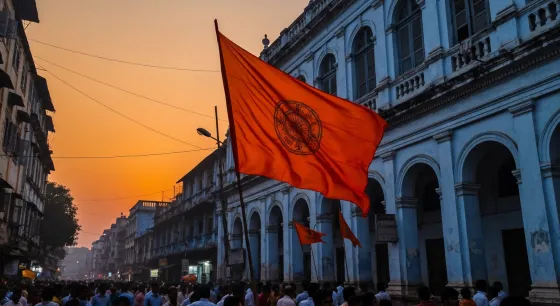
The View from Kolkata
If there is one thing you can say about Indian politics, it is that it never does things by halves. The recent developments in West Bengal have sent shockwaves through the corridors of power in New Delhi, marking a significant shift in one of the most stubborn political frontiers in the country. For the Bharatiya Janata Party (BJP), this is not just another win; it is a statement of intent.
For years, West Bengal has been a fortress, fiercely guarded by regional heavyweights who have successfully kept the national saffron tide at bay. But the latest electoral shifts suggest that the gates are not just creaking; they are being pushed wide open. Prime Minister Narendra Modi is clearly eyeing the state as the ultimate prize in his quest for total political dominance.
Why West Bengal Matters
Why all the fuss over a state in the east? Simply put, Bengal is a political heavyweight. It carries a massive number of parliamentary seats, making it an essential piece of the puzzle for any party with national ambitions. If the BJP can consolidate its gains here, it effectively neutralises the opposition's last remaining bastion of regional resistance.
The narrative here is shifting from traditional regional identity politics to a broader, more nationalistic discourse. Whether this is down to the sheer force of personality or a genuine disillusionment with the local status quo is a subject of intense debate among pundits. However, the result remains the same: the map is turning saffron.
The Strategy Behind the Surge
The BJP’s approach has been nothing short of surgical. By focusing on hyper-local grievances, coupled with a national agenda that emphasises development and cultural pride, they have managed to peel away layers of the electorate that were once considered untouchable. It is a masterclass in political engineering.
Critics will point to the polarisation that has accompanied this rise. It is no secret that the rhetoric has sharpened, and the divide between the old guard and the new arrivals is deeper than ever. Yet, for the average voter, the allure of a change in management, backed by the promise of central government support, is proving to be a powerful draw.
What Happens Next?
The implications are profound. If the BJP maintains this momentum, it could signal the end of the regional party era in Bengal. This is a game of high stakes, where the winner takes all and the loser faces an existential crisis. The opposition, currently reeling from the results, must now decide whether to reinvent its strategy or fade into the background of a political landscape that is changing faster than they can keep up with.
For the UK observer, it is worth remembering that Indian politics is a marathon, not a sprint. While this victory is a massive feather in the BJP’s cap, the true test will be in the governance that follows. Can they deliver on the grand promises made during the campaign, or will the weight of local expectations prove too heavy to bear?
Read the original article at source.