
One Month of Bombs Over Tehran: The Civilian Cost Nobody Wants to Talk About
HRANA reports 1,464 civilians killed, including 217 children, in the first month of US-Israeli strikes on Iran. Here is what the data shows.












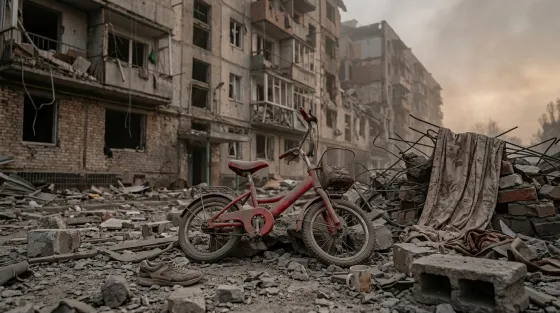
When 2,000lb Bombs Land in Residential Streets
It has been one month since the United States and Israel launched coordinated military operations against Iran, and the picture emerging from Tehran is, to put it plainly, horrifying. Operation Epic Fury and Operation Roaring Lion kicked off on 28 February 2026 with the sort of names that sound like rejected action films but carry very real consequences for millions of ordinary people.
According to the Human Rights Activists News Agency (HRANA), a US-based organisation compiling casualty data through field networks inside Iran, some 1,464 civilians have been killed in the first month alone. That figure includes at least 217 children. Let that settle for a moment.
The Resalat Strike: A Case Study in Devastation
On the night of 9 March, an Israeli air strike hit a Resalat apartment building in Tehran. The IDF said it was targeting a Basij military building on the same street. Between 40 and 50 people were killed. Military experts say the damage is consistent with the use of a Mark 84 bomb, a 2,000lb piece of ordnance originally designed to flatten hardened military targets, not residential neighbourhoods.
BBC Eye analysis suggests at least four buildings were destroyed in quick succession, with structures reportedly up to 65 metres away sustaining heavy damage, though those specific measurements have not been independently verified outside the BBC's own reporting.
If you are wondering what it looks like when a bomb built to crack bunkers lands near a block of flats, the answer is: roughly what you would expect, and then some.
The Numbers Keep Climbing
The scale of the air campaign is staggering. The IDF has dropped more than 12,000 bombs across Iran, with around 3,600 falling on Tehran. US Central Command, not to be outdone, has struck more than 9,000 targets across the country, a figure that had already climbed past 10,000 by 25 March according to CENTCOM chief Admiral Brad Cooper.
On 1 March, an Israeli strike hit the Abbasabad police station near Niloufar Square during Ramadan, killing at least 20 people. The timing was not lost on residents.
No Sirens, No Shelters, No Plan
Perhaps the most chilling detail from residents is the absence of any civil defence infrastructure. No sirens. No warnings. No public shelters. No evacuation guidance. Multiple news outlets, including NBC News, have corroborated accounts of Tehran's population essentially fending for itself as bombs fall.
An internet blackout remains in effect inside Iran, which makes independent verification of casualty figures exceptionally difficult and leaves millions cut off from the outside world. The BBC, which is rarely granted access to Iran at the best of times, reports it has not been allowed into the country since the war began.
The Bigger Picture Is No Prettier
This conflict did not emerge from thin air. Massive anti-establishment protests swept Iran from December 2025 into January 2026. The regime responded with a crackdown that Amnesty International, Human Rights Watch, and NPR have extensively documented, with thousands killed. Iran has since retaliated against the strikes by hitting civilian infrastructure in Gulf nations, including airports and hotels in the UAE.
So the civilians of Tehran find themselves caught between a government that crushed their protests and foreign powers raining ordnance on their city. It is the sort of geopolitical sandwich nobody ordered.
The UN, Amnesty International, and Human Rights Watch have all raised concerns about the use of heavy munitions in densely populated areas. One suspects those concerns will be noted, filed, and politely ignored, as is tradition.
What remains undeniable is this: whatever the military objectives, the people pulling children from rubble in Tehran did not sign up for any of it.
Read the original article at source.