
Mystery Projectiles in the Strait of Hormuz: Why Your Petrol Bill Might Take Another Hit
Unknown projectiles have struck three ships in the Strait of Hormuz. Discover why this baffling maritime mystery could cause UK petrol prices to spike.












A Sci-Fi Scenario with Real World Consequences
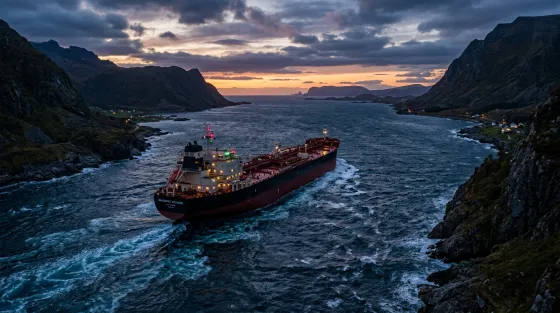
Three commercial vessels navigating the Strait of Hormuz have suddenly found themselves on the receiving end of what authorities are cryptically calling "unknown projectiles". It sounds like a convenient plot device from a late night science fiction film, but the reality is far more grounded. It is also significantly more bothersome for the global economy. Right now, maritime authorities are scratching their heads and launching full investigations to figure out exactly what hit these ships.
The Mystery of the Unseen Threat
In an era where we can track a misplaced smartphone to a specific blade of grass, the word "unknown" feels incredibly out of place. Modern commercial vessels are packed to the brim with advanced radar, sophisticated tracking software, and constant satellite communication. The fact that something can strike three separate ships and remain unidentified is baffling. It speaks volumes about the rapidly evolving nature of modern maritime threats. Whether these were stealthy drones or rudimentary rockets, they managed to slip past the digital watchful eyes of the shipping industry.
Why This Matters to the UK Economy
You might be sitting there wondering why a skirmish thousands of miles away matters to us here in the UK. The answer invariably comes down to the pound in your pocket. The Strait of Hormuz is essentially the most critical bottleneck for oil on the planet. A massive chunk of the petroleum the world relies upon flows directly through this narrow strip of water. When things get explosive in the Middle East, the ripples are felt almost immediately at British petrol pumps.
We are already navigating a rather tricky economic climate. The cost of living is high enough without adding geopolitical maritime mysteries to the list of reasons why filling up your hatchback suddenly requires a small mortgage. If major shipping companies decide the strait is simply too risky to traverse, they will divert their fleets to much longer, safer routes. Longer routes mean significantly higher transport costs. Naturally, those extra expenses are passed straight down the line to consumers like you and me.
Fragile Supply Chains
This incident is a stark reminder of just how fragile our global supply chains truly are. We rely heavily on these massive commercial vessels to keep the cogs of modern British life turning smoothly. While we wait for the official word on what exactly these projectiles were and who decided to fire them, the global energy markets will likely remain incredibly jittery. Speculation alone is often enough to send the price of a barrel of crude oil creeping upwards.
The Verdict
For now, all we can do is keep a close eye on the developing news and perhaps brace ourselves for a slight bump in our monthly fuel budgets. Hopefully, the ongoing investigations will wrap up swiftly and provide some much needed clarity. Until then, the mystery of the Strait of Hormuz continues, leaving both sailors and economists feeling equally nervous.
Read the original article at source.