
Lights Out in Cuba: An Entire Nation Left in the Dark as Grid Collapses for the Third Time in a Month
Cuba suffers its third nationwide blackout in March 2026, leaving millions without power, water or refrigeration. What is causing the grid to fail repeatedly?












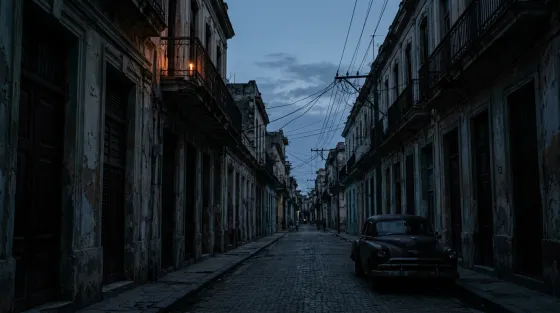
If your Wi-Fi dropping for five minutes feels like a crisis, spare a thought for Cuba. The Caribbean island has just suffered its third nationwide blackout in March 2026, leaving millions of people without electricity, running water, or any reliable way to keep food from spoiling. This is not a blip. This is a full-blown energy catastrophe.
What Actually Happened?
On 22 March, Cuba's national electrical grid collapsed yet again. A failure at the Nuevitas thermoelectric plant in Camaguey province triggered a cascading shutdown that spread across the entire country. The island's population, estimated at between 9.6 and 11 million depending on the source, was plunged into darkness.
This was not an isolated event. The first grid collapse hit on 16 March and lasted a punishing 29 hours before power was restored. A second collapse followed on 21 March. By the time the third struck a day later, Cubans were already running on fumes, both literally and figuratively.

Why Cuba's Grid Keeps Failing
The short answer: no fuel. Cuba produces barely 40% of the energy it needs to keep the lights on, according to President Miguel Diaz-Canel. The rest has historically come from imports, chiefly from Venezuela, which supplied roughly 35,000 barrels of oil per day, covering about half of Cuba's requirements.
That lifeline was severed in January 2026 following the capture of Venezuelan leader Nicolas Maduro in a US military operation. Venezuelan shipments to Cuba stopped entirely. To make matters worse, the Trump administration issued tariff threats against any country that sells or provides oil to Cuba, effectively creating an energy blockade.
The result? No oil has been imported to Cuba since 9 January 2026. That is over two months of running an ageing power grid on fumes and prayers.
The Human Cost
Statistics only tell part of the story. On the ground, the reality is grim:
- Residents in Havana face daily blackouts of 12 to 15 hours, with conditions even worse in rural areas
- Hospitals have been forced to cancel surgeries due to unreliable power
- Food preservation is nearly impossible without refrigeration
- Water pumps fail during outages, cutting off supply to homes
The BBC's Will Grant, reporting from Havana, has documented conditions on the ground as the crisis deepens. An international aid convoy has arrived carrying medical supplies, food, water, and solar panels, but the scale of need far outstrips what emergency relief can provide.
The Bigger Picture
Cuba's energy infrastructure was already creaking before the oil supply vanished. The island relies on ageing thermoelectric plants that have been patched and bodged for decades. Without consistent fuel deliveries, these plants simply cannot keep up with demand, and when one fails, the cascading effect drags the whole grid down with it.
There is also a geopolitical dimension that cannot be ignored. Trump has publicly mused about "taking Cuba," describing it as "a very weakened nation." Whether or not that rhetoric translates into policy, the energy blockade is having a devastating effect on ordinary Cubans who have no say in the matter.
What Happens Next?
Honestly, the outlook is bleak. Without a resumption of oil imports, Cuba's grid will continue to lurch from one collapse to the next. The country had already experienced a major blackout affecting two-thirds of the island as early as 5 March, well before the three nationwide failures that followed. The pattern is accelerating, not improving.
Solar panels from the aid convoy offer a glimmer of hope for individual households, but they are a sticking plaster on a systemic wound. Cuba needs fuel, infrastructure investment, and political conditions that allow it to source energy reliably. None of those things appear likely in the near term.
For now, millions of Cubans are left waiting in the dark, quite literally, for someone to flip the switch back on.
Read the original article at source.