
Japan Secures Release of Detained National From Iran, But a Second Prisoner Remains Behind Bars
Japan secures release of one detained national from Iran after nine months, but NHK journalist Shinnosuke Kawashima remains held in Tehran's Evin Prison.










One Down, One Still to Go
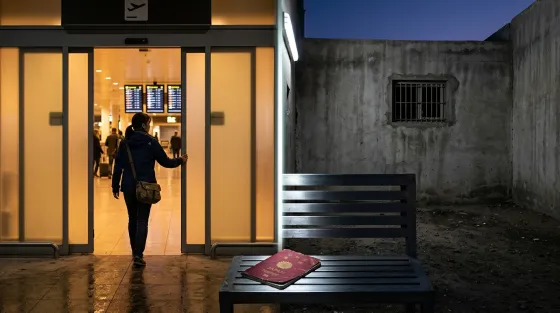
Japan has secured the release of a national who had been held in Iran since June 2025, but the diplomatic victory is only half the battle. A second Japanese detainee, NHK journalist Shinnosuke Kawashima, remains locked up in one of the world's most notorious prisons.
Foreign Minister Toshimitsu Motegi broke the news on a television programme on Sunday 22 March 2026, confirming the freed individual had flown out via Azerbaijan and arrived back in Japan that morning in good health.
What We Know About the Release
Iranian authorities stated they had freed the individual after concluding they had served their prison term. The detainee had been held for roughly nine months, having been taken into custody in June 2025 and released around 18 to 19 March 2026.
Japanese authorities have not publicly disclosed the identity of the released person, which tells you something about the sensitivity of the situation. What we do know is that Motegi had made repeated diplomatic demands to his Iranian counterpart, Foreign Minister Abbas Araghchi, pushing for the release of both detained nationals.
The Journalist Still Behind Bars
The rather less cheerful half of this story concerns Shinnosuke Kawashima, NHK's Tehran bureau chief. He was arrested on 20 January 2026 by Iran's Islamic Revolutionary Guard Corps and subsequently transferred to Evin Prison on 23 February.
If the name Evin rings a bell, it should. The facility is internationally infamous for housing political prisoners, and Kawashima is reportedly being held in Ward 7, the section specifically designated for them.
The circumstances around his arrest paint a grim picture of press freedom in Iran. His colleague, videographer Mehdi Mohammedi, had his passport, phone, laptop, camera, and even his wife's phone confiscated. Another unnamed NHK staff member reportedly fled Iran in early February after being repeatedly summoned by authorities following Kawashima's arrest.
A Broader Crackdown on Journalism
Kawashima is far from alone. According to the Committee to Protect Journalists, at least 12 journalists have been arrested in Iran since the December protests, with seven still detained. The broader picture is bleaker still, with at least 15 journalists, both Iranian and foreign, currently behind bars in the country.
CPJ's Regional Director Sara Qudah has characterised the arrests as a deliberate effort by Iranian authorities to silence independent reporting. That is not exactly a hot take when you look at the evidence.
Deteriorating Conditions at Evin
Adding to the concern is the state of Evin Prison itself. Since US and Israeli strikes began on 28 February 2026, human rights groups have warned about rapidly deteriorating conditions at the facility. Reports have emerged of prison authorities abandoning the facility, food shortages, and control being handed over to special counter-terrorism forces.
For Kawashima's family and colleagues, none of this makes for comfortable reading.
What Happens Next?
Japan's Deputy Chief Cabinet Secretary Masanao Ozaki has also publicly demanded that Iran secure the early release of detained nationals, so the diplomatic pressure is coming from multiple directions. Whether that pressure proves sufficient for Kawashima's case remains to be seen.
The release of the first detainee suggests that quiet diplomacy can yield results with Tehran. But a journalist held by the IRGC on what appears to be a politically motivated basis is a rather different proposition from a civilian who has nominally served a sentence.
Tokyo will be hoping that the goodwill from one resolved case creates momentum for the next. History suggests they should not hold their breath, but stranger things have happened in Iranian diplomacy.
Read the original article at source.