
Chaos in Central Beirut: The Blurry Line Between Diplomats and Operatives
Checking Into Chaos Central Beirut is known for many things. It boasts a rich history, stunning architecture, and a resilient population that has seen more...












Checking Into Chaos
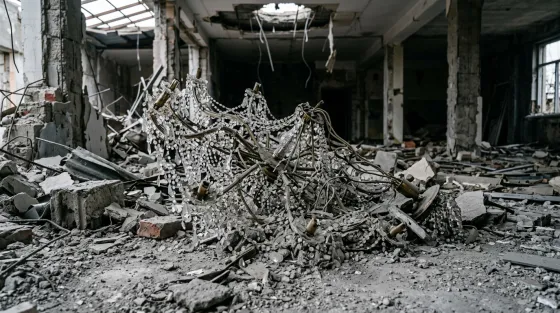
Central Beirut is known for many things. It boasts a rich history, stunning architecture, and a resilient population that has seen more than its fair share of rebuilding. What it really does not need right now is another excuse for the masonry to come tumbling down. Yet, in a stark reminder that modern warfare respects absolutely no boundaries, an Israeli airstrike has targeted a luxury hotel in the heart of the Lebanese capital.
The target? According to the Israeli military, the strike took out key operatives of Iran's Quds Force. This comes hot on the heels of a renewed and terrifyingly violent conflict with Lebanon's Hezbollah movement. Iran, however, has predictably offered a wildly different narrative. Tehran insists the deceased were simply diplomats going about their official business. It is the ultimate geopolitical dispute over a job title, and the consequences are rippling outwards, threatening to destabilise the region further and hit us right here in the UK where it hurts the most: our wallets.
The Great Job Title Dispute
Let us take a moment to appreciate the sheer absurdity of the contrasting statements. On one hand, Israel claims it has surgically removed highly trained military operatives responsible for coordinating proxy wars across the Middle East. On the other hand, Iran suggests these individuals were merely diplomatic staff, perhaps in Beirut to discuss trade tariffs or the finer points of cultural exchange.
The line between a military mastermind and a humble cultural attaché has never been quite so explosive.
In the murky world of Middle Eastern geopolitics, the truth is often dressed in a tailored suit. The Quds Force is the unconventional warfare and military intelligence wing of Iran's Islamic Revolutionary Guard Corps. They are not exactly known for hosting polite cocktail parties. Their primary export is regional influence, usually delivered via armed proxy groups. So, when Iran calls them diplomats, one has to wonder what exactly they were negotiating in a Beirut luxury hotel while a war raged on just miles away.
What is the Quds Force?
For those of us watching from the relatively dreary safety of the British Isles, it is easy to get lost in the alphabet soup of Middle Eastern militant factions. The Quds Force, however, is a name worth remembering. They are essentially the foreign operations arm of the Iranian state. Think of them as a highly militarised intelligence agency with a massive budget and a penchant for arming groups like Hezbollah in Lebanon and various militias in Iraq and Syria.
Israel views the Quds Force as an existential threat. Whenever Israeli intelligence locates senior Quds Force members outside of Iran, they tend to act swiftly and lethally. The fact that this latest assassination took place in central Beirut, rather than the southern suburbs traditionally dominated by Hezbollah, marks a significant and dangerous escalation.
The Innocent Bystander: Lebanon
If countries had a collective sigh, Lebanon's would be deafening. The nation is already grappling with an economic collapse of historic proportions, a paralysed political system, and the lingering trauma of the 2020 Beirut port explosion. Now, it finds its capital city turned into a battleground for foreign powers.
Here is the tragic reality for the average Lebanese citizen:
Economic Ruin: The local currency has lost almost all its value, making basic imports impossibly expensive.
Political Paralysis: The government is essentially non functional, unable to provide basic services like reliable electricity or healthcare.
Caught in the Crossfire: Hezbollah operates as a state within a state, dragging the entire country into conflicts with Israel that the majority of the population simply cannot afford.
When a missile strikes a luxury hotel in the commercial centre of the city, it does not just kill the intended targets. It shatters any remaining illusion of safety. It destroys businesses, terrifies civilians, and guarantees that foreign investors will keep their chequebooks firmly closed for the foreseeable future.
Why the UK Should Care
At this point, you might be asking yourself why a strike in Beirut matters to someone queuing for a flat white in Manchester or worrying about their heating bill in Glasgow. The answer, unfortunately, boils down to the fragile nature of the global economy.
The Middle East remains the undisputed heavyweight champion of global oil production. Whenever the risk of a wider regional war increases, the oil markets get incredibly jittery. Traders panic, speculators place their bets, and the price of a barrel of crude oil inevitably spikes.
For us here in the UK, the knock on effects are immediate and painful. We are already navigating a brutal cost of living crisis. A prolonged spike in energy prices means petrol becomes more expensive at the pumps. The cost of transporting goods rises, which means supermarkets like Tesco and Sainsbury's have to hike the prices of everyday essentials. This fuels inflation, which in turn forces the Bank of England to keep interest rates high. Suddenly, your mortgage renewal is looking a lot more terrifying, all because a missile hit a hotel thousands of miles away.
We live in an interconnected world. A geopolitical earthquake in the Levant sends economic tsunamis crashing into British shores. We simply do not have the luxury of ignoring it.
The Luxury Hotel Battlefield
There is something uniquely dystopian about a luxury hotel becoming the site of a targeted assassination. Hotels are supposed to be neutral ground. They are places of transit, commerce, and leisure. Yet, in modern asymmetric warfare, the battlefield is everywhere.
Operatives and intelligence officers often favour high end hotels because they offer security, anonymity, and excellent room service. But when the enemy has advanced surveillance and precision munitions, that security is entirely illusory. The destruction of a high end establishment in central Beirut serves as a grim metaphor for the wider conflict. No amount of wealth or status can shield you when the geopolitical temperature reaches boiling point.
Hezbollah and the Cycle of Retaliation
The backdrop to this entire incident is the renewed war between Israel and Hezbollah. For months, the two sides have been locked in a deadly rhythm of cross border strikes. Hezbollah fires rockets into northern Israel, forcing tens of thousands of Israelis to evacuate their homes. Israel responds with punishing airstrikes across southern Lebanon, aiming to degrade Hezbollah's military infrastructure.
The assassination of Iranian figures in Beirut is likely to throw petrol on an already raging fire. Hezbollah relies heavily on Iranian funding, training, and strategic direction. An attack on their Iranian patrons, right in their own backyard, demands a response. This tit for tat cycle of violence is incredibly difficult to break once it gains momentum.
The Illusion of Diplomacy
Let us return to Iran's claim that the victims were diplomats. It is a fascinating piece of political theatre. In international law, diplomats are granted immunity and protection. By labelling their operatives as diplomatic staff, Iran is attempting to frame the Israeli strike as a gross violation of international norms.
However, when your diplomats are allegedly coordinating missile strikes and funding armed militias, the traditional definitions start to look incredibly flimsy. It highlights a massive problem in modern international relations. How do you apply the Geneva Conventions to proxy wars, shadow conflicts, and state sponsored militant groups? The rulebook was written for conventional armies fighting on defined battlefields, not for intelligence operatives holding meetings in five star hotel suites.
Looking Ahead: A Precarious Future
As the dust settles in central Beirut, the region holds its collective breath. Will Iran retaliate directly, or will they use Hezbollah to exact revenge? Will Israel continue its campaign of targeted assassinations, regardless of the location? And how much more punishment can the Lebanese people take before the state collapses entirely?
For observers in the UK, the situation is a stark reminder of our own vulnerability to global shocks. As we focus on domestic issues, from healthcare waiting lists to economic growth, the events in the Middle East have the power to derail our best laid plans. The conflict might be happening on the shores of the Mediterranean, but the economic shockwaves will be felt on the high streets of Britain.
Ultimately, the strike in Beirut is not an isolated incident. It is a symptom of a deeply broken regional order, where violence is the preferred method of communication and the line between a diplomat and a combatant is erased by a precision guided munition. It is a grim reality, and unfortunately, it is one we all have to pay for in the end.
Read the original article at source.