
Shadow Games in the Channel: Why the Royal Navy Just Boarded a Russian Tanker
Royal Marines have boarded a Russian shadow fleet tanker in the English Channel. Here is why this tactical move matters for sanctions and maritime safety.








A Bold Move in British Waters
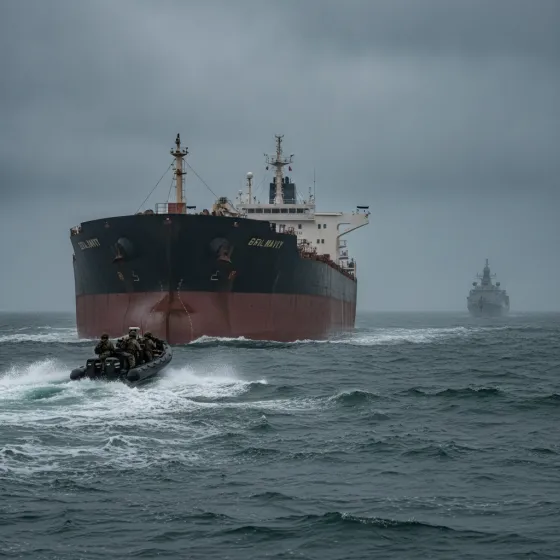
If you were hoping for a quiet Sunday morning in the English Channel, the Royal Marine Commandos had other plans. In a tactical operation that lasted six hours, elite forces boarded a Russian shadow fleet oil tanker, sending a rather loud message to anyone trying to bypass international sanctions.
What Actually Happened?
In the early hours of Sunday, the UK military executed a precision boarding of a vessel suspected of operating within Russia's shadow fleet. These ships are essentially the maritime equivalent of a ghost story: older tankers, often lacking proper insurance or transparent ownership, used to keep Russian oil flowing despite Western sanctions aimed at curbing Moscow's war machine.
The operation was swift, professional, and entirely necessary. While the government is keeping some of the finer tactical details under wraps, the message is clear: the UK is not going to stand by while international regulations are treated like optional suggestions.
Why Should You Care?
You might be wondering why a tanker in the Channel matters to your daily life. It comes down to two things: accountability and energy security. The shadow fleet exists specifically to undermine the economic pressure being applied to Russia following the invasion of Ukraine. By allowing these vessels to roam unchecked, the effectiveness of sanctions is diluted.
Furthermore, these ships are often poorly maintained. An accident involving one of these tankers in busy British shipping lanes wouldn't just be an environmental nightmare; it would be a logistical disaster that could impact everything from fuel prices to coastal tourism.
The Shadow Fleet Problem
The term shadow fleet sounds like something out of a spy novel, but it is a very real, very dull, and very dangerous economic reality. These vessels often switch off their transponders to avoid being tracked, making them a headache for maritime authorities. They represent a massive loophole in global trade, and the fact that the UK is now actively intercepting them shows a shift toward a more aggressive enforcement strategy.
The Government Stance
The Prime Minister has been vocal about the need to tighten the net. This isn't just about environmental protection or maritime safety; it is about political willpower. By boarding this vessel, the UK is signalling that the English Channel is not a free-for-all for illicit cargo.
Is This Escalation?
Some might argue that boarding a foreign vessel is a provocative act. However, international law is quite clear on the rights of coastal states to inspect vessels that pose a threat or violate standing sanctions. This wasn't an act of aggression; it was an act of enforcement. The UK is essentially saying that if you want to trade in our waters, you need to play by the rules.
Final Thoughts
While we wait for more details on the tanker's cargo and the ultimate fate of the crew, one thing is certain: the era of the shadow fleet operating with impunity is coming to an end. It is a messy, complicated business, but it is one that the UK seems prepared to tackle head-on.
Read the original article at source.