
Solar Panels Are Having a Moment: How the Iran War Turned Britain Into a Nation of Sun Chasers
UK solar panel interest has surged up to 182% as the Iran conflict sends energy prices soaring. Here's why Britons are rushing to go solar in 2026.











When geopolitics meets your electricity bill
Nothing quite motivates a homeowner to slap solar panels on their roof like watching energy bills climb faster than Brent crude futures. And climb they have. Since the Iran conflict kicked off on 28 February 2026, the UK energy market has been doing its best impression of a rollercoaster nobody asked to ride.
Octopus Energy CEO Greg Jackson told the BBC that interest in solar has shot up 50% since the start of the war. A quick note here, because precision matters: that figure refers to interest and inquiries, not confirmed sales. The BBC headline suggested otherwise, but actual sales data won't be available for months yet. Octopus's own Chief Product Officer, Rebecca Dibb-Simkin, cited a more modest 27% increase in solar panel inquiries since the end of February. Meanwhile, renewables specialist Glow Green reported a whopping 182% year-on-year surge in solar panel demand.
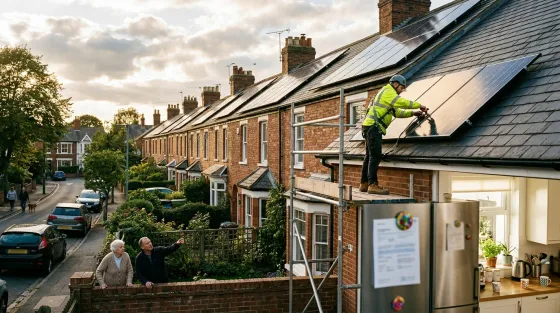
However you slice the numbers, the direction of travel is unmistakable: Britons are desperately keen to generate their own electricity.
Why the sudden rush?
The Strait of Hormuz, through which roughly 20% of the world's oil and gas flows, has been effectively blocked since the conflict began. QatarEnergy halted LNG production at two major facilities on 2 March and declared force majeure two days later. The knock-on effect has been brutal.
UK wholesale energy prices jumped approximately 50%. Electricity costs spiked around 60% in a single week. Fixed tariff prices rose by about £200 almost overnight. Brent crude hit $119.50 per barrel on 9 March. And analysts now predict the energy price cap could rise by 10% or more in July 2026, potentially adding around £332 to annual bills.
Put simply, the maths on solar panels has never looked more compelling for the average household.
Jackson is optimistic, but not naive
To his credit, Greg Jackson isn't simply riding the wave of panic-buying. He told the BBC he's actively making contingency plans for further disruption. Octopus Energy has 4.9 GW of wind and solar projects in its portfolio and has committed £2 billion to new UK clean energy by 2030.
The interest isn't limited to solar either. Jackson noted that heat pumps and electric vehicles are seeing similar surges in demand, as consumers look for any way to reduce their dependence on fossil fuels. Battery installations have nearly doubled year-on-year according to Octopus's own data.
The government is finally on board
In a rare bit of policy timing that actually aligns with public demand, the UK government has announced several pro-solar measures. The Future Homes Standard, effective from 2028, will mandate on-site renewable energy generation in all new English homes. Plug-in solar panels are set to hit the shelves at Lidl, Amazon, and EcoFlow within months. And from 1 April, cuts to energy bill levies should save households approximately £130.
There's also Octopus's 'Zero Bills Home' programme, which offers ten years of free energy to qualifying homebuyers. It sounds too good to be true, which in the current climate probably means there's a waiting list stretching to 2035.
The bigger picture
Here's the genuinely encouraging bit: UK renewables recently hit record output, with solar and wind producing around 34 GW at midday while gas contributed just 2.4% of the power mix. The infrastructure is there. The technology works. The economics now make sense for millions of households.
It shouldn't take a war in the Middle East to accelerate the energy transition. But if the result is a nation of homes generating their own clean power, future generations probably won't complain about how we got there.
Read the original article at source.