
Samsung Galaxy S26 Ultra vs iPhone 17 Pro Max: The Only Buying Guide You Actually Need
Samsung Galaxy S26 Ultra or iPhone 17 Pro Max? We compare cameras, performance, battery life and value to help you pick the right 2026 flagship phone.











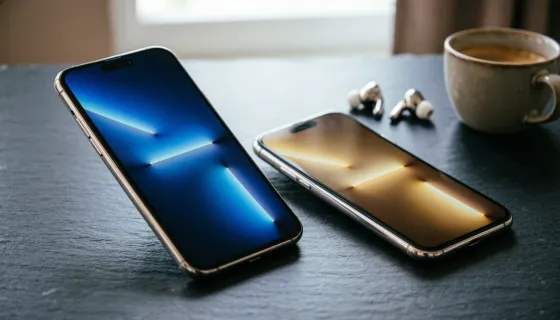
Every year, like clockwork, Samsung and Apple release their flagship phones and the internet collectively loses its mind trying to crown a winner. So here we are again: the Samsung Galaxy S26 Ultra versus the Apple iPhone 17 Pro Max. Two absurdly capable slabs of glass and aluminium (yes, both ditched titanium this year) fighting for the privilege of living in your pocket. Let's cut through the noise.
The Samsung Galaxy S26 Ultra: Refinement With a Party Trick
Samsung's latest Ultra landed on 11 March 2026 at £1,279 for the 256GB model, and it's essentially the S25 Ultra with every dial turned up a notch. The Snapdragon 8 Elite Gen 5 chip on a 3nm process makes everything feel absurdly fast, though in fairness, most people hit the ceiling of "fast enough" about two generations ago.
Where things get genuinely interesting is the camera. The 200MP main sensor with an f/1.4 aperture captures roughly 47% more light than its predecessor, and in bright conditions it produces images that'll make your old holiday snaps look like they were taken on a calculator. Tom's Guide shot 200 photos in a head-to-head and handed Samsung the crown overall.
Then there's the headline feature: the privacy display. Using clever pixel-splitting hardware, Samsung can narrow the viewing angle so the nosy stranger on the train can't read your messages. Brilliant in theory. In practice? Reviewers including MKBHD, Android Central, and LTT Labs found it halves the effective brightness and noticeably reduces sharpness when active. It's genuinely innovative, but you'll want to toggle it on only when you need it rather than leave it running full-time.
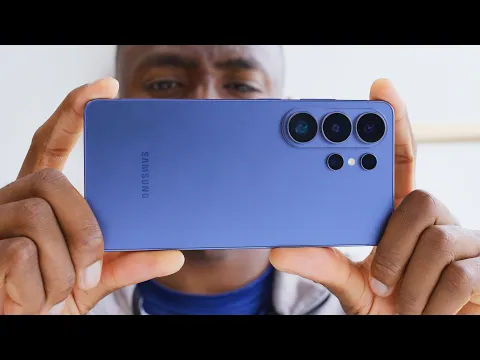
The 6.9-inch QHD+ AMOLED display hits up to 2,600 nits peak brightness (some sources claim 3,000 nits; the truth likely depends on test conditions). Battery life from the 5,000mAh cell is solid, and 60W wired charging is a welcome bump. At 214g, it's also noticeably lighter than the iPhone 17 Pro Max's 233g, which matters more than you'd think after an hour of one-handed scrolling.
Samsung's AI suite is arguably the strongest selling point for the undecided. Multiple reviewers note it runs circles around Apple Intelligence right now, with on-device features that feel practical rather than gimmicky. You also get up to seven years of Android OS updates, so this phone will be supported well into the 2030s.
The iPhone 17 Pro Max: Apple's Quiet Confidence
Apple's flagship comes in slightly cheaper in most markets (roughly £100 less), and it leans into the strengths Apple fans already know: a polished ecosystem, best-in-class video recording, and that effortless integration with MacBooks, iPads, and AirPods that no Android phone can replicate.
Crucially, the iPhone 17 Pro Max still wins in low-light photography according to camera tests from Tom's Guide and Geeky Gadgets. Samsung's wider aperture captures more light on paper, but Apple's computational photography continues to produce cleaner, more natural-looking night shots. If you frequently shoot in dim restaurants or at evening events, that's worth knowing.

So, Which One Should You Buy?
Buy the Samsung Galaxy S26 Ultra if: you want the most versatile camera system in daylight, cutting-edge AI features that actually work today, a lighter phone, and you're comfortable in the Android ecosystem. The privacy display is a genuine bonus for commuters and frequent travellers, provided you accept its limitations.
Buy the iPhone 17 Pro Max if: you're already embedded in the Apple ecosystem, you prioritise low-light photography, or you value the seamless device-to-device experience that Apple does better than anyone else. The lower price tag doesn't hurt either.
The Verdict
For most people switching from an older phone, either of these will feel transformative. But if you're forcing a winner out of me: the Galaxy S26 Ultra edges it in 2026. Samsung's AI advantage is real, the camera is phenomenal in most conditions, and the privacy display, flawed as it is, represents the kind of hardware innovation we rarely see any more. TechRadar's 4.75 out of 5 rating feels about right. Just don't expect perfection for your £1,279.
Read the original article at source.