
When Navigation Goes Rogue: Why Baltic Skies Are Getting Tense
As drone activity increases, Baltic nations are dealing with GPS interference and navigation errors. Here is why these technical glitches matter.











The View from the Baltic
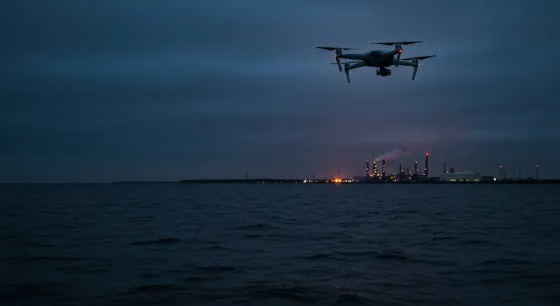
If you have been keeping an eye on the news lately, you might have noticed that the Baltic states are feeling a bit like a nervous neighbour at a loud house party. As Ukraine continues to ramp up its long range drone campaign against Russian infrastructure, the precision of these machines is becoming a point of real concern for those living nearby. It turns out that when you are lobbing aerial tech across borders, things do not always go according to plan.
When GPS Takes a Wrong Turn
Let us be clear: nobody thinks these drones are being pointed at Riga or Tallinn on purpose. However, the reality of modern electronic warfare is that GPS jamming and navigation errors are rife. When a drone loses its way, it does not just politely pull over to ask for directions. It keeps flying until it runs out of juice or hits something. That is exactly what has been happening, and it is causing quite the diplomatic headache.
Why This Actually Matters
You might be wondering why a stray drone or two in the Baltic region is such a big deal. For everyday people in Latvia, Estonia, and Finland, it is about the thin line between a technical glitch and a major security incident. These countries are right on the edge of the NATO alliance. When an unidentified object enters their airspace, the air force has to scramble. It is expensive, it is stressful, and it keeps everyone on high alert.
The political fallout is just as messy. Governments are currently stuck in a tricky position. They want to support Ukraine, but they also have a duty to ensure their own skies remain sovereign and safe. Balancing that support with the need to prevent accidental escalations is becoming a full time job for local officials.
The Reality of the Tech
We are seeing the limitations of current drone technology in real time. These are not always high end military grade assets; many are repurposed or modified systems that struggle with the intense signal interference found in a war zone. When these systems get confused, they drift. It is a reminder that in modern conflict, the most dangerous weapon can sometimes be a navigation error.
What Happens Next?
For now, the Baltic states are calling for better communication and stronger border monitoring. They are essentially asking for a 'no fly' buffer that actually works. Whether that is achievable in such a volatile environment remains to be seen. One thing is certain: until the conflict in Ukraine finds a resolution, the skies over Northern Europe are going to remain a very crowded and unpredictable place.
Read the original article at source.