
Diplomacy or Bromance? Decoding the India-Israel Relationship
Is the bond between India and Israel just for show or a strategic pivot? We break down what this growing geopolitical partnership means for the global stage.












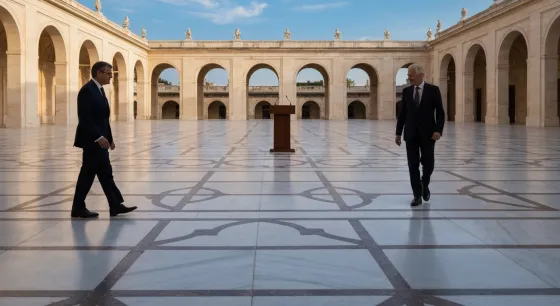
The Unlikely Geopolitical Love Affair
If you have been keeping an eye on the shifting sands of global politics, you might have noticed a rather cosy rapport developing between New Delhi and Tel Aviv. Benjamin Netanyahu, never one to shy away from a colourful turn of phrase, recently remarked that Israel enjoys a level of genuine, almost dizzying affection from India. It is the kind of diplomatic warmth that usually comes with a lot of handshakes, photo opportunities, and, inevitably, a fair few questions about what it all actually means for the rest of the world.
A Partnership Built on More Than Just Vibes
Back in February, Prime Minister Narendra Modi inked a series of significant agreements during a high-profile visit to Israel. These were not just symbolic gestures; they spanned everything from defence technology to agricultural innovation. At the time, the ink was barely dry on these papers before the regional situation took a sharp turn for the worse with the escalation of tensions involving Iran.
For the casual observer, this might seem like a sudden pivot. However, the ties between the two nations have been tightening for years. India has transitioned from being a somewhat cautious partner to one of Israel's most important strategic allies. Whether it is intelligence sharing or hardware procurement, the relationship is now firmly rooted in mutual interest.
Why This Matters to You
You might wonder why a shift in relations between two countries thousands of miles away should bother the average reader in the UK. The answer lies in global stability. When two major powers decide to align their interests, it alters the balance of power in the Middle East and South Asia. India is a massive player on the world stage, and its choice of bedfellows sends a clear signal to other regional actors.
Moreover, the trade deals signed during Modi’s visit are set to influence the flow of technology and resources. If you work in sectors reliant on global supply chains, such as agriculture or tech, the ripple effects of these agreements will likely find their way to your door sooner or later.
The Elephant in the Room
Let us be honest: this alliance is not without its critics. The situation in the West Bank and the broader humanitarian concerns involving the IDF remain a point of contention for many international observers. Netanyahu’s effusive praise for the relationship serves as a diplomatic shield, helping to normalise these ties despite the noise from the international community.
Whether this 'crazy love' is a genuine meeting of minds or a calculated move to isolate rivals remains the big question. One thing is certain: Modi and Netanyahu have managed to turn a pragmatic necessity into something that looks suspiciously like a global bromance. As the geopolitical map continues to be redrawn, we would be wise to watch how this particular partnership evolves.
Read the original article at source.