
The Cracks in the Kremlin: Is Russia Finally Turning Against the War?
Is public support in Russia waning? We examine the growing fatigue within Moscow and what a shift in domestic sentiment means for the future of the conflict.




The View from Moscow
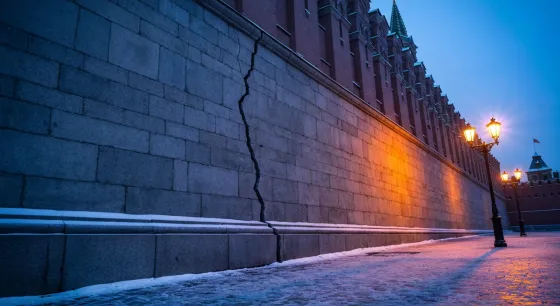
For a long time, the narrative coming out of the Kremlin was simple: total unity, unwavering support, and a society marching in lockstep towards a singular goal. Vladimir Putin has remained famously uncompromising, doubling down on military aggression in Ukraine despite the mounting cost. Yet, if you look closely at the tea leaves in Moscow, the picture is beginning to look a little less like a polished propaganda poster and a little more like a fraying tapestry.
The Silent Majority Starts to Mumble
It is easy to assume that everyone in Russia is either a die-hard patriot or a terrified dissenter. Reality is rarely that tidy. Even among those who have historically been Putin loyalists, there is a growing sense of fatigue. After years of conflict, the initial fervour has been replaced by a grim, quiet anxiety. When the cost of living rises and the casualty lists grow, even the most dedicated supporters start to ask: what exactly is the endgame here?
Why This Matters
You might wonder why this shift in public discourse matters to us here in the UK. The answer is simple: stability. A leader who feels his internal support base slipping is often a leader who becomes more erratic on the world stage. If the Russian public begins to voice genuine dissent, the Kremlin may feel pressured to either escalate the conflict further to distract from domestic woes or, in a less likely but hopeful scenario, seek an exit strategy that allows them to save face.
The Propaganda Machine is Working Overtime
Despite the grumbling, let us not get ahead of ourselves. The state media apparatus in Russia is still a beast. They are experts at framing the war as an existential struggle against the West, a tactic that remains remarkably effective at keeping the nationalist fire burning. However, even the most sophisticated propaganda struggles to mask the reality of a war that has dragged on far longer than the initial three-day promise.
- Economic Strain: Inflation is biting, and sanctions are starting to leave a mark on everyday goods.
- The Human Cost: Families are dealing with the reality of lost loved ones, making the war a personal tragedy rather than a distant political concept.
- Elite Anxiety: Behind closed doors, the Russian business and political elite are reportedly sweating over their long-term prospects.
A Fragile Future
We are not looking at an imminent revolution. To suggest otherwise would be reckless and inaccurate. However, the veneer of total consensus is cracking. When loyalists start questioning the wisdom of their leader, the political landscape shifts beneath their feet. Whether this leads to a change in policy or merely a tighter grip on domestic dissent remains to be seen. For now, the world watches and waits, wondering if the Russian public has finally reached its limit.
Read the original article at source.