
Another Year, Another Clean Bill of Health: The Presidential Physical Theatre Continues
We look at the annual ritual of presidential physicals and why these 'fully fit' declarations are more about political optics than detailed medical insight.










The Annual Ritual: A Peek Behind the White House Curtain
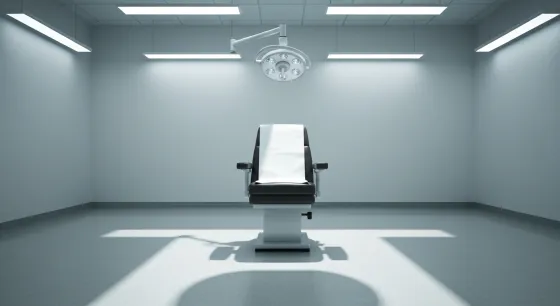
Ah, the presidential medical examination. It’s a tradition as old as the hills, or at least as old as the public’s insatiable curiosity about the health of the most powerful person on Earth. Every year, like clockwork, a statement emerges from the White House, usually declaring the incumbent to be in rude health, fit for duty, and ready to tackle whatever geopolitical shenanigans come their way. This year, the script hasn't changed, with the latest pronouncement confirming that Donald Trump is, according to his doctor, 'fully fit' to carry out his duties.
Now, for those of us across the pond, these announcements often feel like a peculiar blend of medical update and political theatre. It’s less about the actual cholesterol levels and more about projecting an image of unwavering strength and vitality. After all, who wants a leader who looks like they might conk out mid-summit?
What Does 'Fully Fit' Even Mean?
Let's unpack that phrase, 'fully fit'. It's wonderfully vague, isn't it? In the world of elite athletes, 'fully fit' means being able to run a marathon, lift superhuman weights, or score a winning goal in the 90th minute. For a US president, it presumably means being able to navigate a complex policy brief without nodding off, negotiate with foreign leaders without losing your train of thought, and withstand the relentless grind of public office.
The physical demands of the presidency are immense, certainly. Long hours, constant travel, high-stress decision-making, and often very little sleep. It’s a job that would test the mettle of someone half the age. So, when a doctor declares a president 'fully fit', it's not just about blood pressure and a healthy heart; it’s about mental stamina, resilience, and the ability to project an aura of control even when the world is, quite literally, on fire.
The Public's Right to Know (or Think They Know)
The fascination with a leader's health isn't just idle gossip. There's a genuine public interest at play. The fate of nations, and indeed the world, often rests on the decisions made by these individuals. A leader's health, both physical and mental, can directly impact their judgement, their energy levels, and their capacity to lead effectively. We've seen historical examples where a president's undisclosed health issues have had significant repercussions, so the annual check-up, in theory, serves as a reassuring transparency measure.
However, the information provided is almost always carefully curated. We rarely get the full, warts-and-all medical report. Instead, we receive a summary, often glowing, designed to instil confidence rather than provide a detailed diagnostic breakdown. It's a delicate dance between public transparency and patient confidentiality, with a heavy dose of political messaging thrown in for good measure.
A Doctor's Dilemma: Medicine Meets Politics
Spare a thought for the physician tasked with examining the president. It's surely one of the most high-pressure medical roles imaginable. Not only are they responsible for the health of the most powerful person in the country, but their professional pronouncements are scrutinised by the global media, political opponents, and a public eager for any scrap of information. The political ramifications of their findings are immense.
Imagine having to deliver news that might be less than perfect. There’s an inherent tension between providing an unvarnished medical opinion and understanding the colossal political fallout that might ensue. It's a tightrope walk where every word is weighed, every nuance considered, and the phrase 'fully fit' becomes less a clinical assessment and more a diplomatic declaration.
The Punditry Playground: Reading Between the Lines
Once the White House statement hits the airwaves, the real fun begins for political commentators and armchair diagnosticians. Every word is dissected, every omission noted. If the statement is too brief, it's suspicious. If it's too detailed, it's overcompensating. The very act of releasing the results becomes a story in itself, regardless of the content.
This is where the 'witty' part of the analysis comes in. We, the public, are invited to speculate, to infer, to wonder aloud if the president's diet of fast food and Diet Coke truly aligns with the picture of robust health painted by the official report. It’s a national pastime, a collective wink and nudge, acknowledging the inherent artifice while still engaging with the official narrative.
Beyond the Physical: The Unseen Demands
While physical health is paramount, the presidency also demands an extraordinary level of mental fortitude. The constant pressure, the scrutiny, the burden of immense responsibility, and the endless stream of crises. These aren't things that show up on an MRI or a blood test.
So, when we hear 'fully fit', perhaps we're also implicitly being told that the president is mentally sharp, emotionally resilient, and capable of handling the unparalleled stress of the job. It's a holistic assessment, even if the medical report focuses on the more tangible aspects. The public needs to believe their leader isn't just physically present, but fully engaged and capable of sound judgement.
A British Perspective: Our Own Royal Health Enigmas
From a British viewpoint, this level of detailed, albeit curated, disclosure about a head of state’s health is quite different from our own traditions. While we certainly get updates on the health of our monarch, the details are usually far more sparse and often steeped in a different kind of protocol. The idea of a full medical report, even a summarised one, being released for public consumption is a distinctly American phenomenon, reflecting their more direct, if sometimes performative, approach to public accountability.
We tend to prefer a dignified silence or a brief, reassuring statement. The American approach, with its annual fanfare, feels more like a public service announcement designed to quell anxieties and project an image of unwavering leadership. It's a cultural difference, certainly, but one that highlights the varying expectations placed upon national leaders.
The Cycle Continues
So, another year, another presidential physical, another declaration of fitness for duty. It's a predictable cycle, a reassuring ritual that tells the world, 'Don't worry, the person in charge is still very much in charge, and medically cleared to continue.' Whether you take these pronouncements at face value or with a healthy dose of scepticism, they remain a fascinating insight into the intersection of medicine, politics, and public perception.
For now, the White House has spoken, and the message is clear: business as usual. The leader of the free world is reportedly ready for another year of whatever comes next. And we, the global audience, will continue to watch, wonder, and perhaps chuckle a little at the annual theatrical performance of the presidential health check.
Read the original article at source.