Why the Bank of England is Keeping Interest Rates on Ice (Again)
The Bank of England has kept interest rates at 3.75 per cent, citing global instability and inflation risks as key reasons for the pause.












The Bank of England has kept interest rates at 3.75 per cent, citing global instability and inflation risks as key reasons for the pause.

Oil prices are creeping up and analysts are worried about the $138 mark. Here is why this figure could spell trouble for the global economy and your own bank balance.

The Bank of England has held interest rates at 3.75%, but rising global tensions suggest more hikes could be on the horizon before the year ends.

The Bank of England has kept interest rates at 3.75% due to global instability. Here is what this means for your mortgage and your household budget.
Global conflicts are hitting our wallets again. Here is why fuel, energy, and food prices might be on the rise and how to manage the impact.

Ed Miliband's energy policy is facing intense scrutiny as energy prices remain high and the transition to Net Zero creates economic uncertainty for the UK.
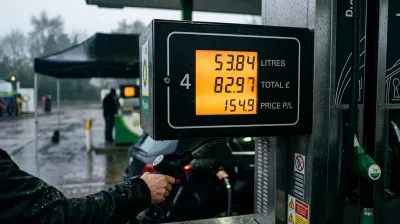
Oil prices have surged past 114 USD per barrel due to Middle East tensions. Here is what this means for your wallet and the UK economy.
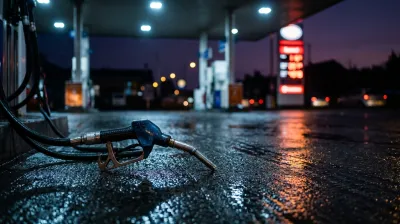
Oil prices are climbing as geopolitical tensions rise. Here is why the latest US-Iran rhetoric could hit your wallet at the petrol pump.
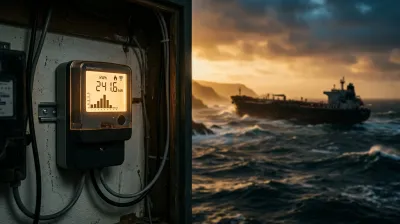
Tensions in the Middle East are threatening to drive up energy costs across Europe, leaving households facing another period of financial uncertainty.
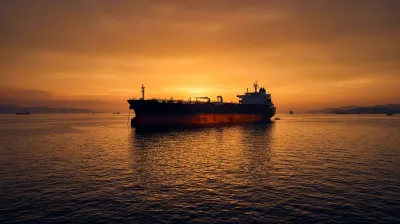
Iran is leveraging control over the Strait of Hormuz to influence global diplomacy, creating a complex situation for international shipping and UK fuel prices.
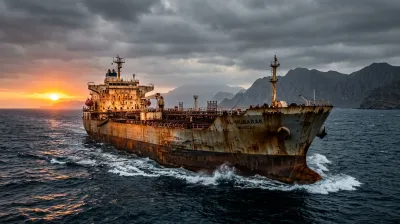
The Strait of Hormuz is seeing a massive drop in shipping traffic, threatening global oil supplies and potentially hitting UK petrol prices.

Jet fuel costs are soaring due to Middle Eastern tensions, and airlines are passing the bill directly to passengers. Is your next holiday worth the premium?