
Your Vet Bill Just Got a Reality Check: Prescription Fees Capped and Price Lists Made Mandatory
The CMA has capped vet prescription fees and made price lists mandatory. Find out what the biggest veterinary reforms in 60 years mean for pet owners.












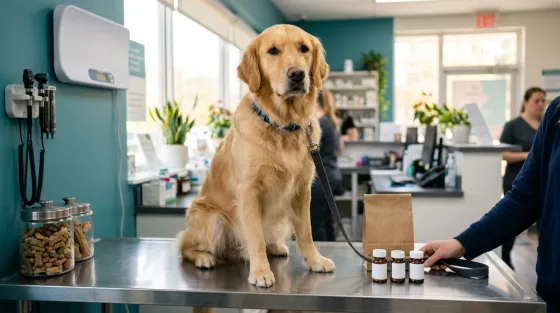
If you have ever walked out of a veterinary practice feeling like you just remortgaged your house for a course of antibiotics, today brings rather welcome news. The Competition and Markets Authority (CMA) has finally published its landmark final report, and the reforms it demands are the most sweeping the veterinary sector has seen in 60 years.
What Is Actually Changing?
Let us start with the headline grabber: pet prescription fees will be capped at £21 for the first medicine and £12.50 for each additional item (both inclusive of VAT). Given that many practices currently charge north of £30 per prescription, that is a meaningful cut. The CMA estimates this alone could save pet owners over £200 a year on long-term medications, because a cheaper prescription makes it far easier to shop around at online pharmacies rather than buying drugs directly from your vet at marked-up prices.
Then there is the transparency overhaul. Vets will be legally required to publish comprehensive price lists for their services. Right now, fewer than 40% of practices bother to display prices online, which is remarkable for a sector worth £6.7 billion. Imagine walking into a restaurant with no menu prices and being handed the bill afterwards. That has essentially been the veterinary experience for millions of pet owners, and the CMA has had enough.
For any treatment expected to cost £500 or more, practices must also provide written estimates upfront. Only 29% of pet owners currently receive written price information of any kind, so this is a significant shift.
Why This Matters More Than You Think
The numbers behind these reforms are genuinely staggering. Vet fees rose by 63% between 2016 and 2023, nearly double the rate of general inflation. Over half of pet owners now say they worry about affording vet bills. And the CMA found that the problems plaguing this market could cost UK households up to £1 billion over just five years.
A huge driver of those inflated costs? Corporate consolidation. Six large groups now dominate the market: CVS, IVC, Linnaeus, Medivet, Pets at Home, and VetPartners. The CMA's investigation found that pet owners pay 16.6% more on average at these large chains compared to independent practices. Perhaps more telling, fewer than half of customers at chain practices even realised their local vet was part of a bigger corporate group. Going forward, vets must disclose their ownership structure, so you will actually know who you are giving your money to.
How We Got Here
The CMA launched its investigation back in September 2023, and the response was enormous: 56,000 submissions poured in, including 45,000 from the public and 11,000 from vet professionals. A provisional decision last October proposed a £16 prescription cap, but after further consultation the final figure landed at £21, adjusted upward to reflect cost pressures on practices. The caps will be reviewed annually in line with CPI inflation.
Public momentum was certainly boosted by the BBC Panorama documentary Why Are Vet Bills So High?, which aired in January and took a pointed look at corporate vet group practices. When 60% of UK households (that is 17.2 million homes) own pets, this was always going to be a story with broad resonance.
When Does It All Kick In?
The CMA must have its formal Orders in place by 23 September 2026. Large businesses with 15 or more practices will need to comply by December 2026, while smaller practices get an additional three to six months. So do not expect instant change at your next appointment, but the clock is ticking.
The Verdict
This is genuinely good news for pet owners. Price transparency should have been a basic expectation years ago, and capping prescription fees removes one of the more cynical barriers to shopping around. It will not solve everything. Vet care is expensive for legitimate reasons, including specialist training, equipment, and out-of-hours provision. But sunlight is the best disinfectant, and forcing practices to show their working should keep the worst excesses in check. Your pets deserve decent healthcare. You deserve to know what it costs before you commit.
Read the original article at source.